Danfoss VFD Selection Guide – Choosing the Right Variable Frequency Drive
Danfoss VFD Selection Guide – Choosing the Right Variable Frequency Drive
Sep 02,2026
|
simplybuy industrial
Danfoss VFD Selection Guide: How to Choose the Right Variable Frequency Drive
Choosing the right Danfoss VFD (Variable Frequency Drive) is about much more than matching the motor power rating.
A 15 kW motor does not automatically mean that a 15 kW VFD is the right choice. The actual application, load characteristics, motor current, operating environment, control requirements, and communication system all need to be considered.
Selecting the correct drive can improve motor performance, energy efficiency, system reliability, and operating costs. Choosing the wrong model may lead to poor performance, unnecessary expenses, or unexpected downtime.
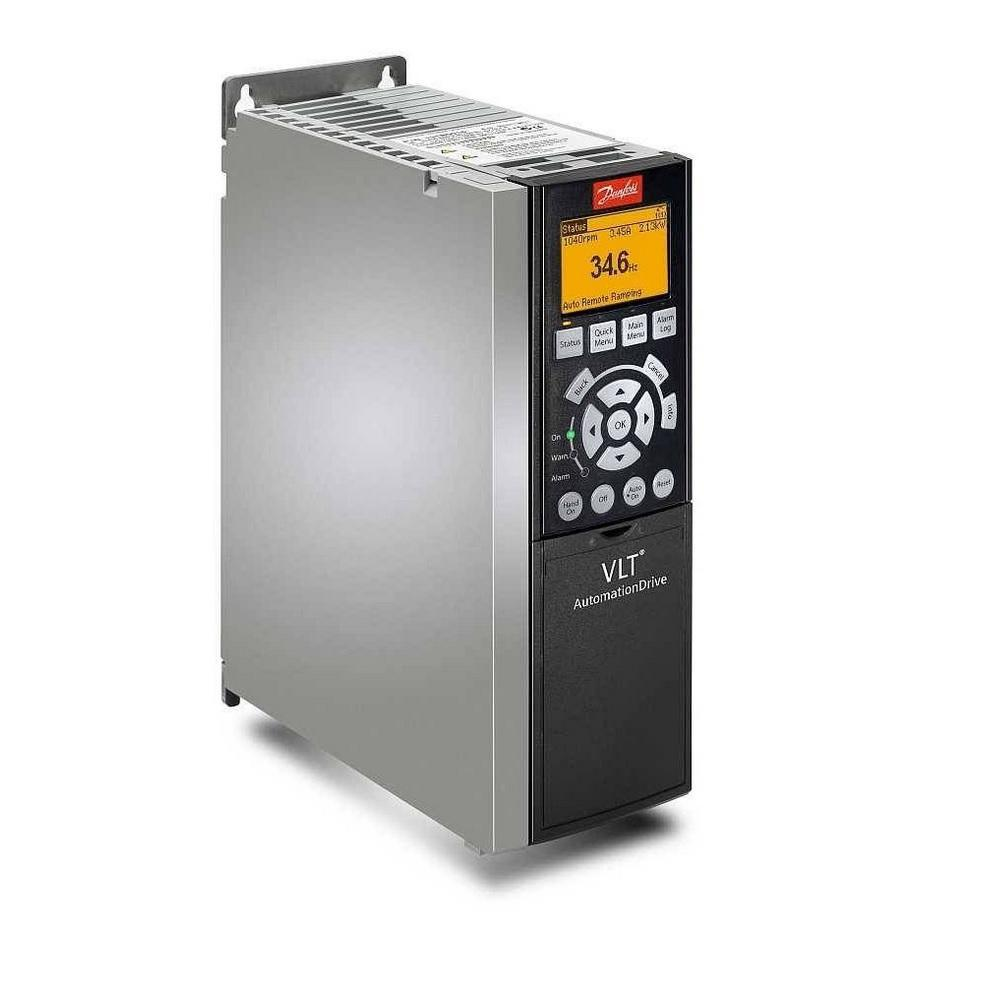
Danfoss VLT variable frequency drives for industrial motor control and automation applications.
What Is a VFD?
A Variable Frequency Drive (VFD), also known as a variable speed drive or frequency converter, controls the speed and torque of an AC motor by adjusting the frequency and voltage supplied to the motor.
VFDs are widely used in industrial automation, HVAC systems, pumps, fans, conveyors, compressors, production machinery, and process equipment.
A properly selected VFD can provide accurate motor control, smoother starting and stopping, reduced mechanical stress, and improved energy efficiency.
Why VFD Selection Matters
One of the most common mistakes in motor control is selecting a VFD based only on the motor's kW or horsepower rating.
For example:
A motor is 15 kW. So you buy a 15 kW VFD. Simple, right? Wrong.
VFD selection is not simply a horsepower-matching exercise. The drive must be matched to the actual application and operating conditions.
A pump is not a conveyor. A fan is not a mixer. A high-inertia machine does not have the same requirements as a standard motor load.
What Should You Consider When Selecting a Danfoss VFD?
Key factors to consider when selecting a Danfoss variable frequency drive.
1. Load Type
The first step in VFD selection is understanding what the motor is actually driving.
Typical applications include:
Pumps
Fans
Conveyors
Compressors
Mixers
Extruders
Hoists
Production machinery
Different loads require different levels of torque and overload capability. Variable-torque applications such as pumps and fans can have very different requirements from constant-torque or high-inertia applications.
2. Motor Power and Rated Current
Motor power is important, but motor rated current should not be overlooked.
When selecting a Danfoss VFD, compare the drive's rated output current with the motor's nameplate current. The selected drive should be capable of handling the motor under the actual operating conditions, including acceleration, continuous operation, and overload requirements.
Important:
Do not select a VFD based on kW alone. Always check the motor nameplate and the drive's rated output current.
3. Operating Environment
The installation environment can significantly affect VFD performance, cooling requirements, and service life.
Ambient temperature
Installation altitude
Humidity
Dust and contaminants
Enclosure and IP rating
Cooling and ventilation
Indoor or outdoor installation
For demanding industrial environments, the appropriate enclosure, cooling method, and installation conditions should be considered before selecting the drive.
4. Control Requirements
Different machines require different levels of motor control.
Depending on the application, you may need:
V/Hz control
Sensorless vector control
Precise speed regulation
Torque control
Fast acceleration and deceleration
Advanced process control
For simple applications, a compact drive may be sufficient. More demanding machinery may require advanced motor control and higher dynamic performance.
5. Communication and Automation Integration
Modern industrial systems rarely operate as standalone equipment. Before selecting a Danfoss VFD, check its compatibility with the existing automation architecture.
PLC systems
HMI systems
Modbus
Industrial Ethernet
Fieldbus networks
Remote monitoring systems
Proper communication compatibility can simplify commissioning, improve diagnostics, and make the VFD easier to integrate into an existing industrial control system.
6. Protection and Safety Requirements
Industrial VFD applications may require additional protection and safety functions depending on the machine and operating environment.
When comparing drives, consider the available protection features, overload capability, thermal management, installation requirements, and applicable machine safety requirements.
Danfoss VLT Drive Series: Which One Should You Choose?
Danfoss offers several VLT drive platforms designed for different applications. Understanding the intended application of each series can make the selection process much easier.
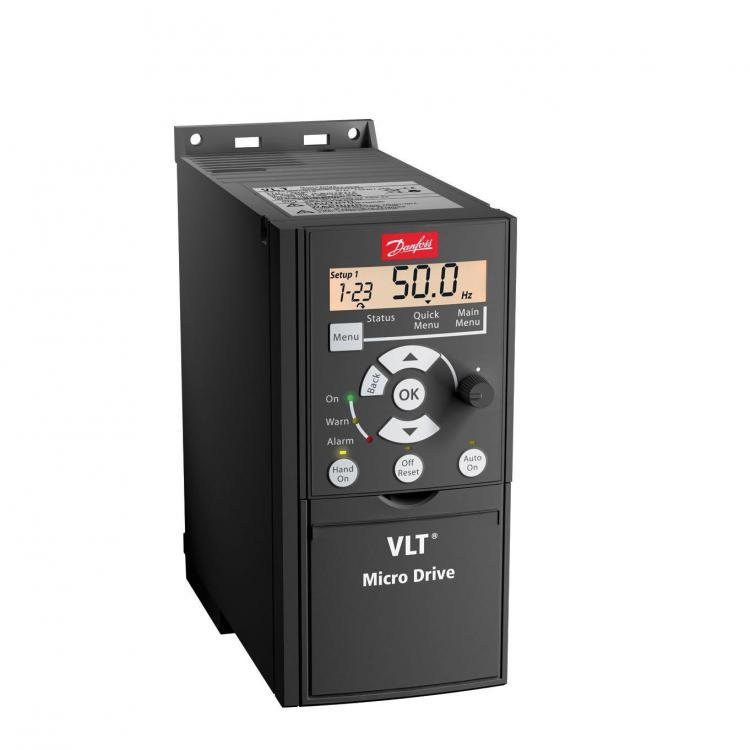
Danfoss VLT Micro Drive FC 51
The Danfoss VLT Micro Drive FC 51 is a compact drive designed for straightforward machine applications where space, simplicity, and cost efficiency are important.
Typical applications include:
Small machinery
Conveyors
Fans
Pumps
Basic motor speed control
Danfoss VLT HVAC Basic Drive FC 101
The Danfoss VLT HVAC Basic Drive FC 101 is designed for HVAC applications where reliable and efficient motor control is required.
Typical applications include:
Fans
Pumps
Ventilation systems
Air handling equipment
Building HVAC applications
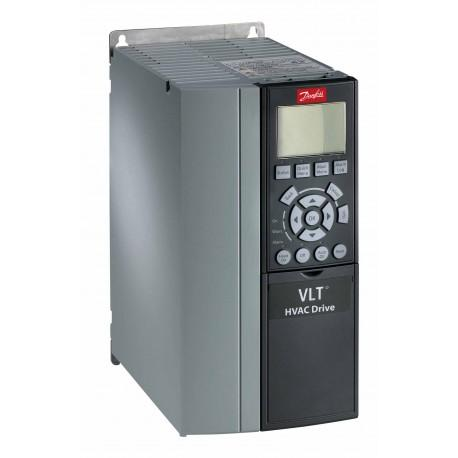
Danfoss VLT HVAC Drive FC 102
The Danfoss VLT HVAC Drive FC 102 is designed specifically for advanced HVAC applications and provides functions suited to heating, ventilation, and air-conditioning systems.
Typical applications include:
HVAC systems
Air handling units
Fans
Pumps
Building automation
Danfoss VLT AutomationDrive FC 301 / FC 302
The Danfoss VLT AutomationDrive FC 301 and FC 302 are designed for more demanding industrial applications where advanced motor control, dynamic performance, and automation integration are important.
Typical applications include:
Conveyors
Packaging machinery
Production lines
Process equipment
Industrial automation
High-performance machinery
Pump, Fan, Conveyor or Compressor: Why the Application Matters
The same motor power rating can lead to completely different VFD selection requirements depending on the application.
Application
Typical Consideration
Key Selection Factor
Pump
Variable torque
Flow, pressure and energy efficiency
Fan
Variable torque
Speed control and energy efficiency
Conveyor
Constant torque
Starting torque and overload capability
Compressor
Application dependent
Torque, pressure and operating conditions
Common Danfoss VFD Selection Mistakes
Selecting a VFD simply because its kW rating matches the motor is one of the most common mistakes.
Other common issues include:
Ignoring the motor's rated current
Choosing the wrong load type
Underestimating starting or overload requirements
Ignoring ambient temperature and altitude
Choosing the wrong IP or enclosure rating
Overlooking PLC and communication compatibility
Selecting a drive based only on purchase price
A better selection process is:
Application → Load Type → Motor Current → Overload Requirement → Environment → Control Method → Communication → VFD Model
VFD Selection Checklist
Selection Item
What to Check
Motor Power
Motor kW or horsepower
Motor Current
Rated current from the motor nameplate
Load Type
Variable torque, constant torque, or high inertia
Overload
Required starting and overload capability
Input Voltage
Available supply voltage and phase
Environment
Temperature, altitude, humidity, dust and installation conditions
Control
V/Hz, vector control, speed or torque control
Communication
PLC, HMI, Modbus, fieldbus or Ethernet requirements
Enclosure
Required IP rating and installation method
Why Choosing the Right VFD Matters
The right VFD can help provide:
Stable motor operation
Better speed control
Improved energy efficiency
Reduced mechanical stress
Lower operating costs
Improved system reliability
Reduced unplanned downtime
The goal is not simply to find a VFD with enough power. The goal is to find a drive that is properly matched to the complete application.
Need Help Choosing a Danfoss VFD?
Finding the correct Danfoss VFD can be challenging when multiple models have similar power ratings but different application requirements.
At SimplyBuy, we help industrial customers source Danfoss VFDs and industrial automation components based on model numbers, motor specifications, application requirements, and project needs.
Whether you are looking for a Danfoss FC 51, FC 101, FC 102, FC 301, FC 302, or another VLT drive, providing the motor nameplate data and application details can help identify the appropriate solution more efficiently.
Looking for a Specific Danfoss VFD?
Send us your Danfoss part number, motor specifications, or project requirements. Our team can help you check product information, availability, pricing, and sourcing options.
Frequently Asked Questions
How do I choose the right Danfoss VFD?
Start with the motor's rated voltage, current, power, and operating conditions. Then consider the load type, overload requirement, control method, environment, communication requirements, and application.
Can I select a VFD based only on motor kW?
No. Motor kW is only one selection factor. The motor's rated current, load characteristics, overload requirements, and operating environment should also be evaluated.
What is the difference between Danfoss FC 51 and FC 302?
The FC 51 is a compact VLT Micro Drive intended for straightforward machine applications, while the FC 302 belongs to the VLT AutomationDrive family and is designed for more demanding industrial automation and process applications.
Which Danfoss VFD is suitable for HVAC applications?
Danfoss offers dedicated HVAC drive platforms including the VLT HVAC Basic Drive FC 101 and VLT HVAC Drive FC 102. The appropriate model depends on the specific HVAC application and required functions.
What information should I provide when requesting a VFD quotation?
For faster product selection, provide the VFD model or part number if known. If you are unsure about the model, provide the motor power, rated voltage, rated current, application, load type, required control method, and operating environment.


.jpg?w=4200&h=2800)